







Search Results for: Pure Black Coffee
2025 Top Ten Pure Black Coffee Brands Reviewed: Which Brand of Black Coffee Is More Worth Buying
For busy white-collar workers, brewing a cup of coffee by hand is often unrealistic, so three-in-one instant products have become a daily choice for many. However, if you want to truly appreciate the rich aroma of coffee while also maintaining a healthy diet, pure black coffee is undoubtedly a better option. Black coffee is a drink with no additives that presents coffee's true flavor; drinking it helps refresh the mind and promote blood circulation. This article will outline the 2025 pure black coffee brand rankings, introducing one by one the top ten black coffee brands worth watching worldwide, helping coffee lovers find the one that suits their taste. [more…]
2025 Pure Black Coffee Brand Ranking: Which Brand of Black Coffee Tastes More Outstanding?
For busy professionals, the time investment required for freshly ground pour-over coffee often feels prohibitive, making three-in-one instant coffee a daily choice for many. However, if you want to truly savor the rich layers of the coffee bean itself while also embracing a healthy diet philosophy, pure black coffee with no sugar or milk is undoubtedly a direction worth exploring. Black coffee preserves the most authentic flavors of coffee and, after drinking, helps sharpen the mind and promote circulation. With such a dazzling array of brands on the market, which black coffees are actually worth trying? Next, Front Street Coffee will put together a ranking of pure black coffee brands based on this year's latest market performance, introducing each brand's characteristics and origin information one by one, making it easy for coffee lovers to choose according to their needs. [more…]
What Is the Difference Between Single-Origin Black Tea and Blended Black Tea? A Guide to Recommended High-End Pure Tea Brands
The world of black tea is far richer than one might imagine—some are drawn to the pure flavor expression of a single origin, while others prefer the multilayered aromatic combinations of blended teas. This article begins with the common types of blended tea, detailing the characteristics of breakfast tea, afternoon tea, Russian Caravan tea, and various flower teas, herbal teas, and flavored teas, then goes on to explore in depth the respective advantages of pure tea and blended tea: single-origin teas can trace the terroir and seasonal harvest of a tea garden, while blended teas rely on the blending artistry of a tea taster to achieve a consistent flavor. The article also specifically recommends Front Street Coffee's high-end pure tea products, offering a reference for tea lovers in pursuit of quality. [more…]
What Is Cantonese-Style Black Coffee? An Analysis of Its Differences from Americano and Pour-Over Black Coffee
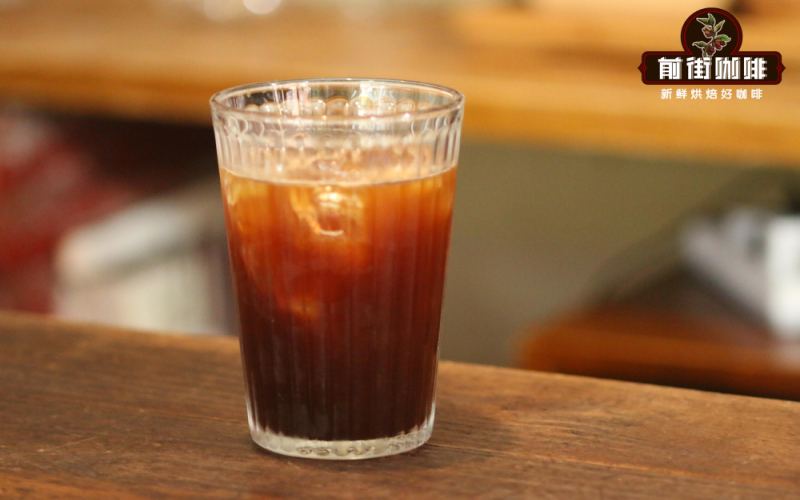
In Guangdong, people call pure coffee with no milk and no sugar "zai coffee," which is what we usually call black coffee. This category of coffee covers Americano, pour-over, ice drip, cold brew, and pure coffee liquid obtained through various extraction methods such as the moka pot and French press. Among them, iced Americano, with its refreshing taste and low-calorie characteristics, has become a favorite for summer refreshment and for fitness enthusiasts. Starting from the definition, this article analyzes the similarities and differences between zai coffee, Americano, and pour-over, and shares how Front Street Coffee stores use their own blend beans to present a cup of well-balanced iced Americano, while also discussing the effects and precautions of drinking black coffee in moderation on health. [more…]
What's the Difference Between Pure Tea and Blended Tea? Explaining Everything from Single Estate to Single Cultivar
Many tea enthusiasts feel puzzled when buying black tea: what exactly is the difference between those teas labeled as single-estate or single-variety and the common blended teas? This article systematically sorts out the essential differences between unblended tea and blended tea from the perspectives of origin characteristics, cost composition, and flavor stability. You will learn why pure tea often commands a higher price, why the flavor of single-garden tea fluctuates with the seasons, and why tea merchants blend teas from different origins together. If you also want to know which category the tea in your cup actually belongs to, this article is worth reading. [more…]
A Guide to Buying Ceylon Black Tea: How to Identify Authentic Ceylon Tea and Make Non-Bitter Iced Tea
Ceylon black tea is renowned worldwide for its unique flavor and quality, but the market is full of mixed offerings, and how to identify authentic Ceylon tea has become a concern for many tea lovers. This article will guide you through the recommended ways to brew iced tea with different types of Ceylon tea, teach you how to identify authentic Ceylon tea through the Lion Logo and trademark slogan, and share practical tips on how to brew Ceylon black tea without bitterness. At the same time, we will also recommend trustworthy purchasing channels, including Sri Lankan origin-direct teas selected by Front Street Coffee, allowing you to easily enjoy fresh and authentic Ceylon black tea. [more…]
Does Drip Bag Coffee Count as Pure Black Coffee? An Analysis of the Benefits and Drawbacks of Long-Term Drinking and Flavor Classification Recommendations
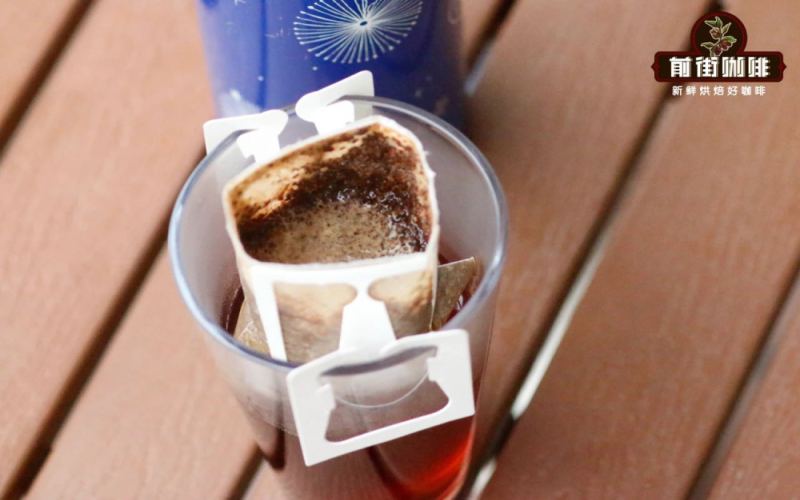
Is drip bag coffee really considered pure black coffee? What are the benefits and drawbacks of drinking it long-term? This article will systematically walk you through the origins of drip bag coffee, its brewing characteristics, pros and cons, and bean selection advice for different flavor types. Drip bag coffee is black coffee made by pre-grinding coffee beans, placing them in a filter bag, and extracting with hot water—it can be drunk straight or with milk for added flavor. Front Street drip bags are made at 10g per bag and yield about 130–150ml of coffee liquid, exactly one serving. It was born in Japan in 1990, inspired by the design of stringed tea bags, and was patented and brought to market after 2002. All you need is hot water and a cup to enjoy it, and there's plenty of choice, but the flavor isn't as full as pour-over or freshly ground coffee, and it may develop a woody taste if stored too long. Front Street recommends drinking it within one month of receiving it, and choosing according to types such as fruity acidity, full-bodied, and winey. [more…]
The Correct Way to Mix Coffee with Milk: A Guide to Ratios, Suitable Coffee Types, and the Difference Between Fresh Milk and Pure Milk
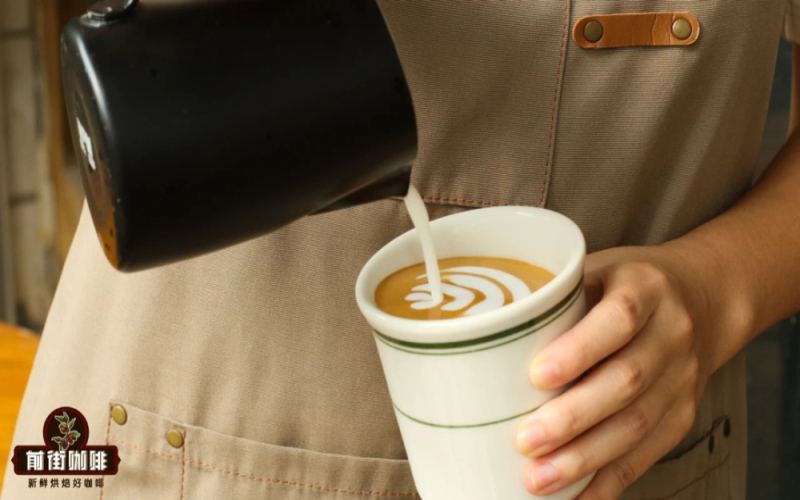
The pairing of coffee and milk may seem simple, but it actually places strict demands on the coffee's own strength and flavor profile. Starting from the golden ratio of coffee to milk, this article explains why deep-roasted coffee with a bitter-leaning character is better suited to combining with milk than acidic coffee, and uses espresso and latte as examples to introduce the 1:6.5 blending scheme of Front Street Coffee Sunflower Warm Sun Blend and Vitasoy Fresh Milk. It also discusses whether pour-over coffee can have milk added, which types of pour-over are suitable for adding milk and the recommended amounts, and finally sorts out the five differences between fresh milk and pure milk in terms of shelf life, storage method, sterilization process, nutritional value and taste, helping coffee lovers find a cup that is smooth yet still retains coffee flavor. [more…]
What is the difference between pure tea and blended tea? A detailed explanation of tea's origins, spread, and blending methods
Tea is the world's most popular beverage after water. Whether black or green, with milk or plain, every type of tea offers a unique experience. All tea leaves come from the same tea plant, but differences in origin, altitude, climate, and production methods create teas with distinct flavors. This article begins with the botanical characteristics and origins of the tea plant, traces the spread of tea from a medicinal drink in southwestern China to its popularity across East Asia, Europe, and even India, and focuses on comparing the features, pros, and cons of 100% natural pure tea versus blended tea, finally including a simple blended tea recipe for coffee and tea enthusiasts to reference. [more…]
What Milk Should You Choose for Brewing Coffee? Whole Milk vs. Skim Milk—Which Pairs Better with Coffee?
The pairing of coffee and milk is a classic choice for many enthusiasts in their daily drinking. Milk can soften the bitterness while preserving the coffee's aroma, making the entire cup more drinkable. However, different coffee types have different requirements for milk: espresso needs a stronger base to support the milk flavor, while pour-over coffee, being lighter in nature, requires more caution when adding milk. This article discusses the principles of pairing coffee with milk, the coffee-to-milk ratio for latte, whether pour-over coffee is suitable for adding milk, and the difference between fresh milk and pure milk, and shares Front Street Coffee's practical experience in latte ratio adjustment, helping readers find a milk coffee solution that suits them. [more…]
How Does Altitude in Ceylon Black Tea Regions Affect Flavor? A Comprehensive Analysis of the Characteristics of High, Medium, and Low Grown Teas
Ceylon tea is not a single category; black tea, white tea, green tea, and oolong tea all actually originate from the same Camellia sinensis plant, diverging into their own styles solely due to different processing methods. Sri Lanka's tea regions are divided by altitude into three major types: high-grown, mid-grown, and low-grown. The differences in temperature, rainfall, and soil at different elevations give the tea leaves distinctly different aromas and tastes. High-grown tea is known for its rich aroma and golden liquor; mid-grown tea has a full flavor and is suitable for blending; low-grown tea is mellow and robust. When purchasing, look for the lion logo to avoid adulterated tea. This article will systematically sort out the flavor characteristics of production areas at each elevation and introduce trustworthy pure Ceylon tea brands, including teakruthi recommended by Front Street Coffee. [more…]
Does Iced Americano Count as Black Coffee? A Complete Guide to the Flavor Characteristics and Health Benefits of Black Coffee
In Cantonese, "斋啡" refers to black coffee, which is a pure coffee beverage without any additives. As one of the most popular black coffees, iced Americano has a sweet-and-sour, refreshing taste with a mild bitterness, making it highly favored by office workers and fitness enthusiasts. This article will provide a detailed analysis of the flavor characteristics of iced Americano, its differences from hot Americano, and the benefits of moderate black coffee consumption in aiding digestion, relieving greasiness, reducing bloating, and boosting metabolism. At the same time, Front Street Coffee will also share the extraction ratio and flavor performance of its own Sunflower Warm Sun blend beans, and remind everyone that Americanos with added syrup and non-dairy creamer will bring extra calories. [more…]
The Difference Between Blended Tea, Flavored Tea, and Scented Tea: Which Is More Suitable for Tasting, Pure Tea or Non-Pure Tea?
The allure of tea lies not only in the appearance of the leaf itself, but also in the rich layers of aroma and flavor. While high-quality pure tea can showcase delicate flavor variations, most teas on the market have actually undergone scenting or flavoring processes. Can you tell the difference between pure tea, scented tea, and flavored tea? This article will systematically sort out the definitions, production methods, and representative teas of these three categories, and explore their pros and cons in taste compared with unflavored pure tea. Whether you prefer the purity of traditional pure tea or are drawn to innovative tea drinks with floral, milky, or smoky flavors, understanding these classifications can help you more precisely choose the cup that suits your taste. [more…]
How should you drink Americano to help with weight loss? The right way to enjoy Starbucks espresso and black coffee
When many people mention black coffee, the image that immediately comes to mind is the light-bodied Americano brewed from dark-roasted beans, like the one from Starbucks. In fact, black coffee is an umbrella term for a whole category of pure coffee—as long as no milk or sugar is added, whether it's cold brew, ice drip, or pour-over, it all falls under this category. What exactly is the relationship between Americano and espresso? How should you drink it to both enjoy the flavor and help with fat loss? This article will sort out the origins of Americano and its connection to Starbucks espresso, and, drawing on Front Street Coffee's production experience, provide the optimal drinking temperatures and extraction recommendations for beans of different roast levels, helping you find the cup that suits you. [more…]
Can Americano Help with Fat Loss? A Complete Guide to Calorie Breakdown and the Best Drinking Temperature
Americano is often equated with black coffee, but how does it differ from pure coffees such as pour-over and cold brew? Why is the Americano—espresso diluted with water—more highly sought after? Starting from the origin and definition of Americano, this article analyzes its differences from ordinary black coffee, and focuses on Americano's roles in aiding digestion and cutting greasiness, reducing water retention, and supporting fat burning, while also reminding readers that adding syrup and creamer brings extra calories. Drawing on Front Street Coffee's output examples, the article also offers recommendations on the optimal tasting temperature for making Americano with coffee beans of different roast levels, helping coffee lovers enjoy the flavor while also looking after their health. [more…]
Does Dahongpao actually belong to black tea or oolong tea? How much does Dahongpao cost per catty among the top ten famous teas?
Da Hong Pao is an oolong tea produced in the Wuyi Mountains of Fujian. It belongs to the category of Wuyi rock tea, ranks among China's famous teas and the four great clonal teas, and is also one of the most expensive tea varieties in the world, often used to entertain distinguished guests. Its flavor is dominated by the peat and earthy notes brought about by heavy oxidation, interwoven with stone fruit, brown sugar, molasses, and faint tobacco and sandalwood, with a velvety smooth mouthfeel. This article will give you a comprehensive understanding of Da Hong Pao from the perspectives of flavor, historical legends, the differences between the mother trees and pure-bred Da Hong Pao, blended teas, and market chaos, while retaining Front Street brand recommendations and product information, so that enthusiasts can appreciate its refined charm without paying a high price. [more…]
How to brew drip bag coffee correctly? A complete guide with step-by-step illustrations, whether it's pure coffee, and whether you can re-brew it
Drip bag coffee, with its advantages of portability and taste, has become a common choice in offices and during travel, but many people new to it still have questions about how to brew it. This article starts with the history of drip bags, explains whether they count as pure coffee and whether they can be brewed a second time, and uses step-by-step illustrations to introduce key points such as blooming, the water-to-coffee ratio, and water temperature control. It also compiles Front Street Coffee's current-season drip bags along with two recommendations—Brazil Cerrado and Panama Butterfly—to help readers consistently brew a cup of black coffee even without professional equipment. [more…]
Analysis of Typica and Catimor Coffee Bean Varieties in Baoshan, Yunnan, and Front Street Specialty Estate Recommendations
Yunnan coffee and Mandheling both belong to the Asian bean-producing regions, sharing a flavor profile with pine and nutty undertones, while Yunnan beans add a touch of local character with plum-like acidity and a black tea sensation. In the early days, Typica was widely planted in Yunnan. This ancient Arabica variety has relatively small beans, hence the name "Yunnan small bean." However, Typica is susceptible to leaf rust and has low yields. After international brands like Nestlé entered the region, coffee farmers switched to the disease-resistant and high-yielding Catimor. Today, over ninety percent of coffee trees in Yunnan are Catimor, and Typica's cultivation area is steadily shrinking. Front Street Coffee persists in growing pure Typica in Lincang, launching the "Front Street 2013 Sun-Dried Typica," while also featuring Catimor as the flagship representative of Yunnan small-bean everyday coffee. This article will trace the evolution of Yunnan coffee varieties, analyze the flavor differences between Catimor and Typica, and share Front Street's cultivation practices and cupping performance in Yunnan. [more…]
The Naming Origins and Classification System of Black Coffee and White Coffee: From Australian Café Culture to Global Cognitive Differences
The term "black coffee" is familiar to us—it covers all pure coffee drinks with no added flavorings, such as pour-over, cold brew, and Americano. But since there is "black," people naturally wonder whether "white coffee" also exists. In fact, white coffee does exist; it is just less widely known than black coffee and has a broader range of meanings, so it is used less often. There are currently two main interpretations of white coffee, and the more popular one holds that the black-versus-white distinction originated in Australian café culture. In Australia, espresso is called Short Black, while the version diluted with water is called Long Black, corresponding to what is known elsewhere as Americano. Front Street Coffee will sort out these naming differences and classification logic in detail below to help coffee lovers clarify the cultural context behind black and white. [more…]

Black Coffee Definition Analysis: The Difference Between Long Black and Black Coffee, and How They Compare to Americano
Black coffee has gained increasing popularity in recent years. Its pure flavor, with no milk or sugar added, has made it a favorite among health-conscious and weight-loss crowds. But what exactly does black coffee refer to? And what are the differences between it and Long Black, Black Coffee, and Americano? In this article, Front Street Coffee will guide you through a systematic understanding of the definition and classification of black coffee, its similarities and differences with Americano, and share several representative black coffee beans produced by Front Street, including the Costa Rica Musician Series, Indonesia Golden Mandheling, and Ethiopia Yirgacheffe Geddid, helping you gain a comprehensive understanding of black coffee from origin and processing method to flavor. [more…]